

Guide
How to Choose a Manual Food Processor for an Off-Grid Kitchen
What should I consider when choosing a manual food processor?
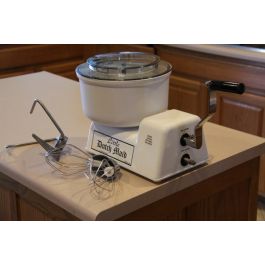
Match the processor to the job and batch size, then confirm its attachments, stable mounting, capacity, and cleaning requirements. A rotary cutter suits vegetables, while a geared hand-crank mixer or processor better handles repeated mixing or larger batches.
A manual food processor works best when its mechanism matches the texture and volume you need. A rotary chopper handles quick vegetables and salads, while a geared hand-crank mixer or processor is better suited to repeated mixing and larger batches.
Compare the task before the tool
- Chopping and slicing: choose a stable base, the right cutting attachment, and a size that fits your typical prep volume.
- Mixing and kneading: look for a sturdy drive, useful bowl capacity, and attachments intended for batter or dough.
- Fine processing: confirm the model is designed for that texture; do not force hard or oversized pieces through a cutter.
Set the tool on a stable work surface, cut ingredients into manageable pieces, avoid overfilling, and stop if the crank binds. Wash food-contact parts promptly and follow the product manual for disassembly and care.
Compare your options
Rotary chopper
Best for quick, repeatable slicing or chopping with the correct cutter and a stable counter position.
Hand-crank mixer
Choose for mixing tasks where bowl capacity, attachments, and a durable drive matter more than compact size.
Non-electric processor
Compare supported jobs and attachment options before expecting one tool to chop, mix, and blend every ingredient.
Useful links
- Open link
Shop off-grid food processors
Browse manual and non-electric food-preparation equipment.