

Guide
Fresh-Milled Flour at Home: Grain, Grinder, and Storage Basics
What do I need to know before milling flour at home?
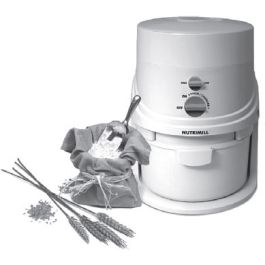
Use clean, dry grain approved for your grinder, follow the manufacturer instructions for grind settings and operation, and keep grain, flour, and the mill dry. Do not force wet, oily, or unsupported ingredients through the grinding mechanism.
Fresh milling begins with the right ingredient and the right grinder. A mill intended for dry grains should not be asked to process wet, oily, or otherwise unsupported foods.
Before you grind
- Use clean, dry grain or another ingredient approved for your grinder.
- Set the grind according to the maker’s instructions and keep the hopper supplied as directed.
- Store whole grain dry in food-safe containers, and label or rotate your supply.
After milling, remove flour and brush away residue as the manufacturer specifies. Keep moisture away from plates, bearings, and other moving parts. For nutrition, allergen, storage-life, and recipe questions, use reliable food-safety and recipe guidance in addition to the equipment manual.
Useful links
- Open link
Shop whole-grain resources
Browse Cottage Craft Works whole-grain books and related equipment.